_edited.png)
Sod Installation North York Ontario: A Homeowner’s Guide to a Healthy Lawn

A healthy lawn plays a significant role in how outdoor spaces look, feel, and function. For many homeowners, achieving a lush green yard quickly becomes a priority when moving into a new property, renovating landscaping, or replacing damaged grass. One of the most commonly researched solutions today is sod installation North York Ontario, especially among homeowners looking for faster results compared to traditional seeding.
This guide provides an educational overview of sod installation, including lawn preparation, sod types, installation principles, seasonal considerations, maintenance expectations, and common mistakes homeowners should understand before planning a new lawn.
What Is Sod Installation?
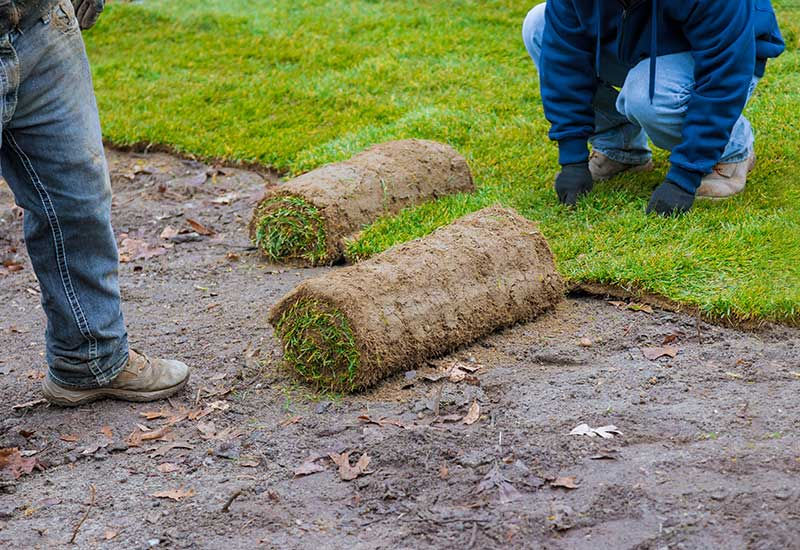
Sod installation involves laying pre-grown grass that is harvested with a thin layer of soil and roots intact. These grass sections are rolled out onto prepared ground, creating an instant lawn.
Key Elements:
• Mature grass blades
• Root system
• Soil base layer
• Uniform growth structure
Why Homeowners Choose Sod Instead of Seeding
Advantages of Sod:
• Instant visual results
• Reduced soil erosion
• Faster lawn establishment
• Fewer weed issues initially
• Predictable grass coverage
Common Uses:
• Newly built homes
• Lawn replacement projects
• Areas with soil disturbance
• Sloped yards
• Landscaping renovations
Understanding North York’s Climate and Lawn Conditions
North York experiences cold winters, freeze-thaw cycles, humid summers, and variable rainfall. Cool-season grasses perform best due to their resilience in fluctuating temperatures.
Types of Sod Commonly Used in Ontario
Kentucky Bluegrass:
Dense growth, rich color, and cold tolerance.
Perennial Ryegrass:
Fast establishment and durability.
Fescue Blends:
Shade tolerance and lower maintenance needs.
The Sod Installation Process Explained
1. Site assessment
2. Soil preparation
3. Soil amendment
4. Sod placement
5. Rolling for soil contact
6. Initial watering
Best Time for Sod Installation in North York Ontario
Spring and early fall provide ideal growing conditions, while summer installations require more watering and monitoring.
Soil Preparation: The Foundation of a Healthy Lawn
Healthy soil supports drainage, nutrient availability, root penetration, and balanced pH levels. Proper preparation determines long-term lawn success.
Watering Requirements After Installation
First Two Weeks:
Frequent watering keeps sod moist.
Weeks Three to Four:
Gradual reduction encourages deeper root growth.
Long-Term Watering:
Deep, less frequent watering strengthens lawns.
How Long Sod Takes to Establish
• 10–14 days for initial rooting
• 3–4 weeks for moderate stability
• 6–8 weeks for strong integration
Maintenance Expectations for New Sod
• Mow when grass reaches 3–4 inches
• Apply nutrients as needed
• Monitor weeds periodically
Common Mistakes to Avoid
• Poor soil preparation
• Underwatering
• Walking on fresh sod
• Improper grading
Environmental Benefits of Sod Lawns
• Reduced erosion
• Improved air quality
• Cooling effects around homes
• Water filtration support
Cost Factors
Costs depend on lawn size, soil condition, accessibility, preparation requirements, and grading needs.
Sod vs Artificial Turf
Natural sod offers organic appearance and environmental benefits, while artificial turf requires less maintenance but lacks ecological advantages.
Signs Your Lawn May Need Replacement
• Persistent bare patches
• Drainage issues
• Soil compaction
• Excess weeds
• Poor winter recovery
Long-Term Lawn Care Principles
• Proper mowing height
• Seasonal fertilization
• Aeration when necessary
• Overseeding thin areas
• Balanced watering habits
Frequently Asked Questions
How soon can sod be walked on?
Light use is safe after two to three weeks.
Does sod require fertilizer immediately?
It depends on soil conditions.
Can sod be installed on uneven ground?
Ground leveling is recommended.
Will sod survive winter?
Properly established sod typically regrows in spring.
Future Trends in Residential Lawn Installation
• Drought-resistant grass blends
• Soil health improvement strategies
• Smart irrigation systems
• Eco-conscious lawn practices
Final Thoughts
Understanding sod installation North York Ontario helps homeowners make informed landscaping decisions. Proper planning, preparation, and maintenance create lawns that remain healthy and functional through changing seasons.


Comments